

The Chemistry of the Blend: Why Specialists Create Their Own Gluten-Free Flours

Updated: Feb 26
Professional gluten-free baking is a study in ratios. While supermarket "all-purpose" mixes are a convenient entry point, they lack the structural stability and nuance required for high-end confectionery. In a specialist studio, a "one-stop-shop" flour simply does not exist for every eventuality.
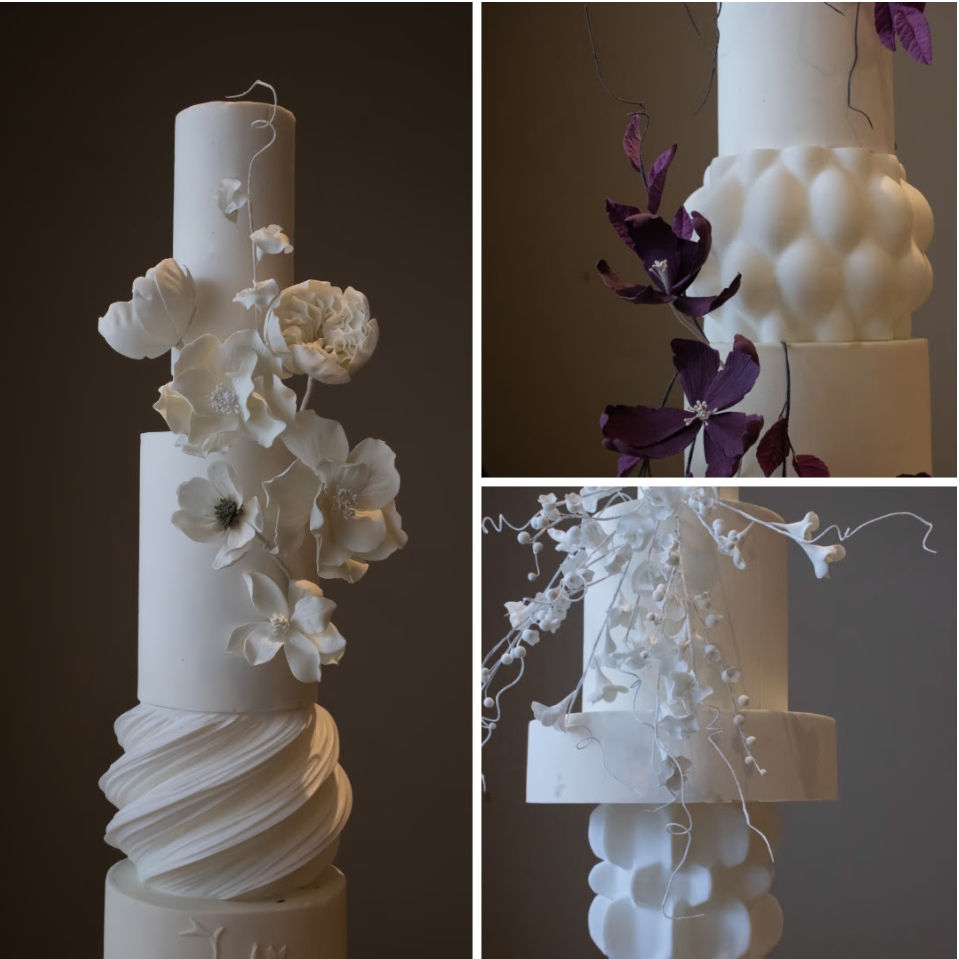
Whether I am engineering a structural, multi-tiered wedding commission or developing a Paleo-friendly sponge, the flour must be fit for purpose. Relying on a generic, off-the-shelf blend means sacrificing control over texture, moisture retention, and—most importantly—flavour. To achieve a luxury finish we must move beyond the pre-mixed bag and into the science of custom blending.
The Industry Risk: Why "Off-the-Shelf" is a Professional Liability
My shift to custom blending wasn't just a creative choice; it was a response to industry volatility. Early in my career, a major commercial manufacturer changed their formula without warning, adding pea protein as a cost-effective filler. Overnight, my established, high-stakes recipes began to fail.
This served as a vital lesson in Operational Excellence: as a specialist, you cannot outsource the integrity of your core ingredients. By mastering the chemistry of flours like Glutinous Rice and Sweet Potato Starch, I have insulated my business from industrial pivots, ensuring a consistent, clinical standard for my clients and Academy students alike.
Innovation in the Lab: New Technical Components
The Celebrity Cakes studio is a constant "Beta Lab" for new textures. Recently, I have been experimenting with:
Glutinous Rice Flour: Despite the name, it is 100% gluten-free. It provides a unique "stickiness" and elasticity that mimics gluten's binding properties, making it an excellent addition to the toolkit.
Sweet Potato Starch: A fantastic alternative to corn or potato starch. It offers a slightly different viscosity and moisture-retention profile, which is particularly effective in our Paleo and grain-free development.
The Architecture of a Blend: Flour vs. Starch
I typically work with a 60/40 ratio (Flours to Starches) to achieve a balance of structure and lightness.
The Protein Foundation: Almond flour for moisture, Sorghum and Millet for a mild, "ancient grain" sweetness, and Teff for earthy depth.
The Functional Starches: Tapioca for elasticity and Potato or Sweet Potato starch for that essential softness.
The Specialist Binders: Beyond Xanthan and locust bean gum, I utilise Psyllium Husk for bread structures and Agar Agar for my technical marshmallow work.
From Ceefax to Clinical Standards
When my daughter was diagnosed in 1994, we had to rely on Ceefax to verify if food was safe. Today, my 100% gluten-free studio removes that anxiety for my clients. We don't just "check" labels; and read data sheets, we engineer the flours ourselves to guarantee the clinical safety and gourmet taste that "big brand" mixes simply cannot replicate.
Interested in mastering the art of the custom blend? I offer 1-on-1 consultancy and Academy sessions for bakers looking to move away from commercial mixes and take control of their technical recipes. Enquire About Professional Training.

Final Thoughts
Exploring and experimenting with gluten-free flours can transform your baking. With a little patience and creativity, you'll be crafting delicious gluten-free treats that rival their wheat-filled counterparts. Happy baking, and feel free to share your favourite flour blends with me! 💬❤️


Comments